Choose the Right Vehicle for Funeral Car Services: Key Tips
Choosing the Right Vehicle for Funeral Transportation: Practical Options and Key Considerations
Choosing the right vehicle for funeral transportation matters. The vehicle you select affects how families and guests move between services and how comfortable they feel while doing so. This guide explains the common vehicle types, what to consider when you make your choice, and practical planning tips to keep logistics calm and respectful. We also highlight the benefits of luxury transportation and share helpful booking pointers and insights from Plush Transportation, a Southern California provider.
When planning, consider how each transfer will feel for attendees and how vehicle choices influence timing and appearance. Small changes—like adding an extra staging minute or confirming luggage space—can reduce stress on the day. This article offers practical, provider-facing guidance so families and coordinators can make clear, defensible choices that preserve dignity and flow.
What Types of Vehicles Are Available for Funeral Car Services?
Funeral transportation can include several vehicle classes to meet different needs. The right vehicle supports dignity, privacy, and smooth movement for families and guests throughout the day.
Specialized transport—especially dedicated hearse services—plays a central role in funeral planning and operational strategy.
Hearse Services & Funeral Transport Solutions
Hearse services remain a core element of funeral transport, addressing both ceremonial needs and logistical challenges that influence how funeral providers plan and operate.
An Analysis of Funeral Industry Attractiveness: a Study of Funeral Service Providers in Nairobi, 2001
Which Executive Sedans Are Ideal for Immediate Family Transport?
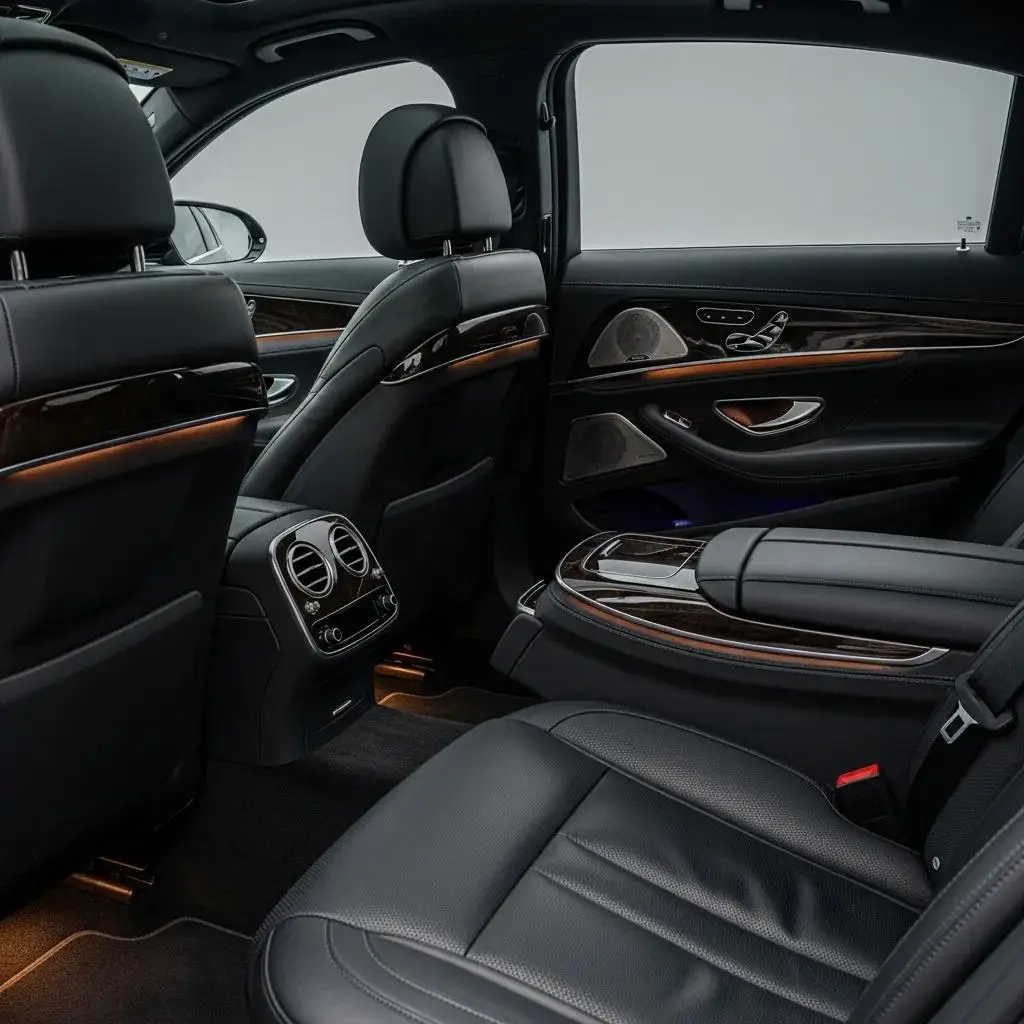
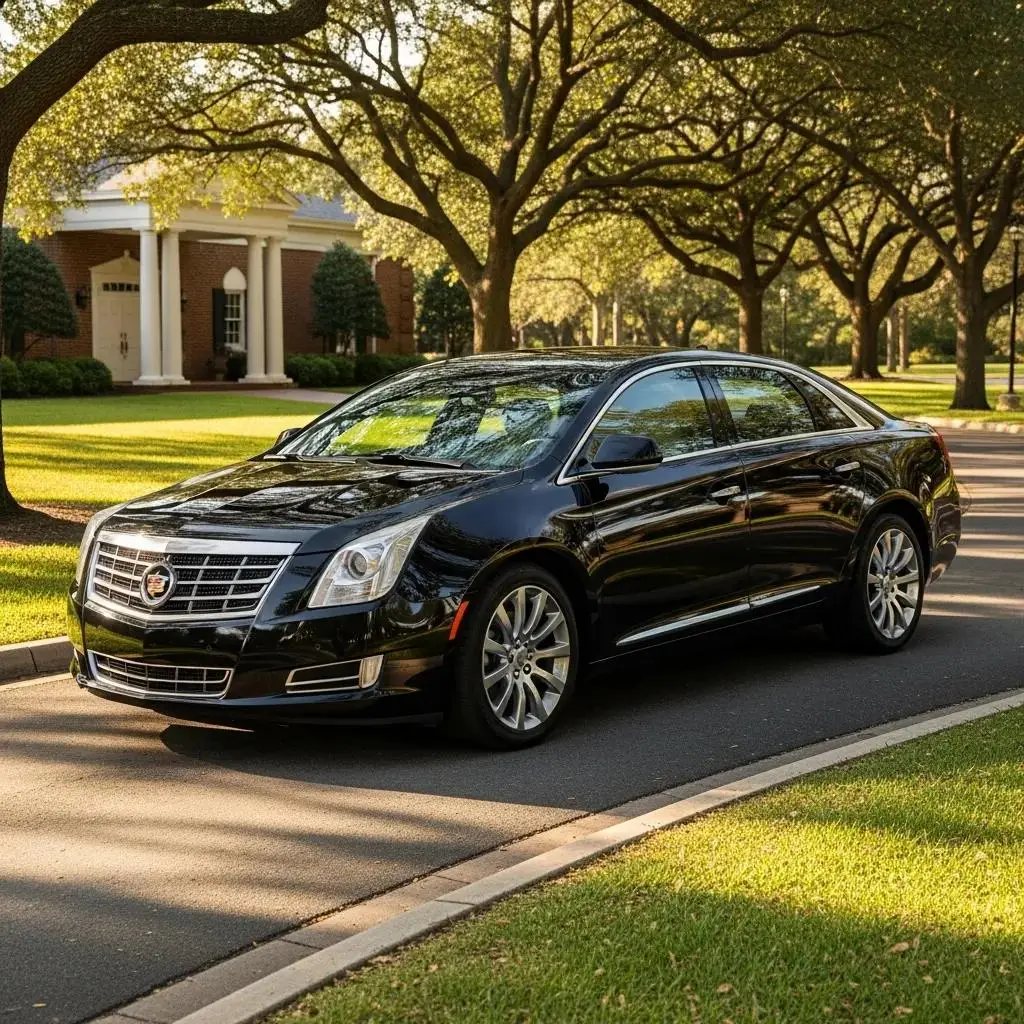
Executive sedans are a common choice for immediate family transport because they offer a quiet, private ride. Models like the Lincoln Town Car and Cadillac XTS provide roomy interiors, plush seating, and reliable climate control. These sedans usually seat up to five passengers and create a calm, intimate atmosphere so family members can travel together with dignity and comfort.
When selecting a sedan, confirm the interior layout and trunk space so floral tributes and personal items are stored discreetly. Ask whether the vehicle has a privacy partition, easy climate controls, and sufficient headroom for passengers who may need to stand briefly when entering or exiting. Small details like door opening assistance and low step-in height can also make a meaningful difference for elderly passengers.
How Do SUVs Serve Family and Guest Funeral Travel Needs?
SUVs work well for larger family groups or when guests need extra space for luggage and floral tributes. Vehicles such as the Chevrolet Suburban and Ford Expedition typically seat seven to eight passengers and offer ample cargo room. Their higher clearance and available all-wheel drive also make them dependable in variable weather and on different road conditions.
Choose SUV models with configurable seating if you expect to move both people and bulky items. For events that include long transfers or airport runs, confirm whether cargo space remains usable with all seats in place. If mobility devices are present, check door width and step heights; some providers can remove a seat to create a smoother load area for walkers or smaller folding wheelchairs.
How Do Stretch Limousines Enhance Funeral Processions and Group Travel?
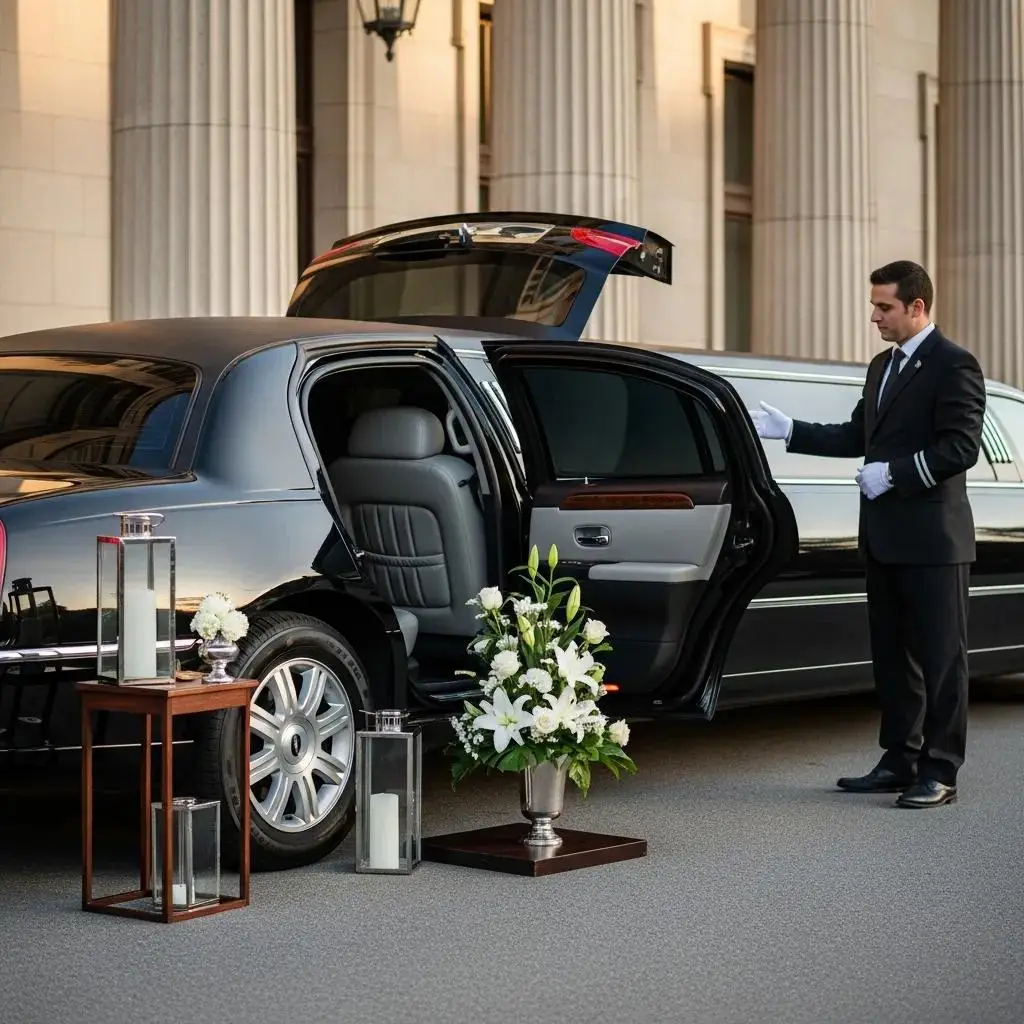
Stretch limousines bring a formal, polished presence to funeral processions and group travel. Beyond the visual impact, they provide roomy interiors and seating arrangements that keep groups together and comfortable during transfers between services or to reception locations.
High-end limousines are an established part of luxury transportation services, offering families a refined option when a more formal presentation is desired.
Luxury Car & Limousine Services for High-End Transportation
Chauffeured limousines and other high-end vehicles form a notable segment of the luxury transport market, serving clients who want a premium, discreet travel experience for special occasions, including solemn events.
Exploring luxury travel from the perspective of ancillary services supplier: High-end vehicles and limousine service, SA Jamal, 2018
For processions, coordinate arrival order and spacing with your provider so the visual alignment is dignified and safe. Limousines can be staged to lead, follow, or bracket a hearse as requested; confirm which arrangement fits your ceremony and communicate that plan to the chauffeur and venue staff ahead of time.
What Are the Seating Capacities and Features of Funeral Limousines?
Funeral limousines typically seat about six to ten passengers, depending on the model. They often include plush seating, soft lighting, and privacy partitions so families can share quiet moments. Limousine interiors also have room for small floral arrangements or personal mementos, letting the ride feel more personal and respectful.
When discussing features, ask about interior layout (bench vs. wrap seating), available lighting control, and any supplementary amenities such as soft-surface floors or secure mounts for framed photographs. These details let families create a more personalized environment without affecting the solemn tone of the journey.
When Should Vans and Mini Coaches Be Chosen for Group Transportation?
Vans and mini coaches are the practical choice for larger groups. Use these guidelines when matching vehicle size to passenger count:
- For groups of 8–12, passenger vans or Mercedes Sprinter vans strike a good balance between comfort and cost while providing useful cargo space.
- For groups of 12–20, executive minibuses or multiple Sprinter vans help keep the group moving together and simplify staging.
- For groups of 20–50, mini-coaches or several coordinated vehicles are usually required to transport everyone efficiently.
When hiring vans or mini-coaches, verify whether the vehicle includes seat belts for every passenger, onboard climate controls, and an adequate PA or microphone system if the group needs announcements. For larger groups, assign a coordinator or marshal to help load and direct passengers; this reduces confusion and keeps schedules tighter.
What Key Factors Should You Consider When Choosing Funeral Transport Vehicles?
Picking the right vehicle means thinking through a few practical details that affect the day’s flow and everyone’s comfort.
- Passenger Count: Confirm the total number of passengers so seating is adequate.
- Luggage Needs: Account for floral arrangements, memorial items, and any luggage.
- Mobility/Accessibility Needs: Note wheelchairs, walkers, or other mobility requirements.
- Pickup and Drop-off Points: Map all locations to evaluate routing and staging needs.
- Trip Purpose: Clarify whether the transport is for a funeral, memorial, reception, or multiple stops.
- Amenities: Decide if you need extras like climate control, tinted windows, or onboard privacy.
- Provider Terms: Ask about minimum hours, cancellation policies, and included wait time.
Also consider permits, venue parking restrictions, and any local regulations that might affect where vehicles can stage. Confirm loading/unloading areas with funeral homes and venues in advance so chauffeurs can plan safe, unobstructed access at each stop.
How Does Passenger Capacity Influence Vehicle Selection?
Passenger capacity affects cost and logistics. A larger vehicle can reduce the per-person expense but may raise the absolute hourly rate. Capacity also determines luggage room and route flexibility, which in turn impacts time and mileage estimates. Choose the vehicle that best fits group size, luggage, and the event’s timing.
As a practical example: a family of four may prefer two sedans or a single SUV for privacy and trunk space, whereas a party of 30 will often require a mix of mini-coaches for guests and a few executive vehicles for close family. Balancing vehicle count, staging locations, and staffing often yields the most efficient plan.
Planning funeral transportation often involves detailed logistics and coordination—factors that became especially evident during the pandemic when demand and resource allocation were under strain.
Funerary Logistics & Vehicle Demand Planning
The pandemic highlighted the coordination and inventory challenges in funerary logistics and motivated models that estimate demand for vehicles, coffins, graves, and teams across different scenarios.
Managing funerary systems in the pandemic: lessons learned and an application of a scenario simulation in São Paulo City,
Brazil, I de Brito Jr, 2021
Why Are Comfort, Privacy, and Dignity Essential in Funeral Vehicles?
Comfort, privacy, and dignity matter because families are often vulnerable during funerals. Tinted windows, spacious seating, and quality upholstery help create a calm space for reflection. Those details support emotional needs and preserve the solemn tone of the day.
Think about sensory considerations as well: soft lighting, neutral interior colors, and reduced cabin noise all help support reflection. If attendees are traveling between widely separated venues, discuss on-board hydration and short comfort breaks to maintain well‑being without disrupting schedules.
How Does Plush Transportation Provide Professional Funeral Car Services in Southern California?
Plush Transportation offers professional funeral transportation across Southern California, with a focus on respectful service and careful attention to detail. From vehicle selection to chauffeur conduct, their approach is designed to reduce stress for families and keep schedules running smoothly.
The company emphasizes routine vehicle inspections, clear chauffeur protocols, and coordination with venues and funeral directors. Families should ask providers about insurance coverage, vehicle maintenance records, and cleaning practices—especially for multi-stop days where cleanliness and presentation are important to the family’s experience.
What Unique Fleet Options Does Plush Transportation Offer for Funerals?
Plush Transportation maintains a diverse fleet—executive sedans, SUVs, stretch limousines, and mini coaches—so families can choose the option that best fits their needs. Every vehicle is serviced and inspected to meet high standards for safety and comfort.
Because fleet variety matters, confirm replacement policies in case a booked vehicle is unavailable. Providers that maintain similar backup vehicles reduce the chance of last-minute changes and help keep the service consistent with family expectations.
How Do Professional Chauffeurs Ensure Respectful and Discreet Service?
Plush chauffeurs are trained to act with professionalism and discretion. They focus on respectful communication, safe driving, and smooth transitions between locations so families can concentrate on the day’s moments without worrying about logistics.
Key chauffeur practices include neutral, courteous language, punctual arrival and staging, and clear identification when necessary for venue coordination. Discuss arrival etiquette, where chauffeurs should meet family members, and how they should present themselves to align with the family’s preferences.
What Are the Cost Considerations and Budgeting Tips for Funeral Car Services?
Knowing the factors that affect price helps families plan without surprises. Several elements influence rental costs; understanding them lets you balance budget and service.
Which Factors Affect Pricing for Funeral Vehicle Rentals?
The main pricing drivers include:
- Vehicle type and seating capacity — larger or more luxurious vehicles typically command higher base rates.
- Distance, duration, and route complexity — mileage and driver time affect total charges.
- Seasonal demand and special events — peak dates can increase rates.
- Added amenities and custom stops — extra time and handling raise costs.
Other cost items to watch for include fuel surcharges, gratuity guidance, and fees for extended staging or permit-related charges at certain venues. Asking for a complete, itemized estimate will surface these items early and reduce day-of surprises.
How Can Families Balance Budget and Quality in Funeral Transportation?
To keep costs reasonable while maintaining dignity and comfort, consider these strategies:
- Estimate Costs: Build a basic estimate of vehicle hourly rates, mileage, and staging time, including likely wait times.
- Consolidate Pickups: Group guest pickups or use centralized staging to reduce drive time and hourly billing.
- Choose Off-Peak Dates: When possible, select less busy times and book early to lock in better pricing.
- Negotiate Bundled Services: Bundling multiple transfers with one provider can simplify logistics and lower costs.
- Request Detailed Quotes: Ask for itemized estimates that list vehicle time, mileage, gratuities, and any extra fees.
- Plan Routes Carefully: Efficient routing keeps the day on schedule and helps control expenses.
When comparing quotes, consider the value of included services such as staging minutes, backup vehicles, and communication tools. A slightly higher base rate may be worthwhile if the provider includes practical, day-of protections that reduce risk and stress.
How Can You Effectively Book and Plan Funeral Transportation with Plush Transportation?
Booking and planning become easier when you follow a clear process and share key details up front. These steps help ensure smooth execution on the day of service.
- Coordinate Early: Contact venues and confirm staging areas and guest flow as soon as possible.
- Plan for Connectivity: If needed, arrange onboard connectivity for any coordinators or speakers.
- Use Real-Time Tracking: For airport or shuttle transfers, real-time tracking helps manage timing and expectations.
- Provide Clear Instructions: Share explicit arrival details with attendees to reduce confusion and delays.
- Allow for Buffers: Build time buffers for evening events and cross-town transfers to accommodate traffic or delays.
- Traffic-Aware Scheduling: Schedule with local traffic patterns in mind to improve predictability.
- Review Quotes Carefully: Look for hidden fees and confirm terms that cap overtime and define staging time.
Prepare a one-page itinerary that lists pickup points, expected onboard times, and a single point of contact. Share that document with the provider, venue staff, and any family representatives so everyone knows where to meet the vehicles and who to call if plans change.
What Is the Step-by-Step Process to Reserve Funeral Vehicles?
Follow these steps when reserving funeral vehicles to ensure clarity and accountability:
- Provide a precise itinerary up front, including all pickup and drop-off locations.
- Request a clear, itemized quote that includes:
Base vehicle feesMileageWait timesAny amenity charges - Review and agree on terms such as:
Included staging minutesOvertime hourly ratesCancellation penalties - Submit a final passenger manifest and contact numbers 48–72 hours before the event.
- Confirm pick-up points and staging instructions with the operator.
- Maintain a single point of contact on both sides to communicate updates and delays.
- Keep all confirmations in writing to avoid misunderstandings.
Discuss deposit amounts, acceptable payment methods, and the provider’s confirmation timeline. Confirm what documentation you will receive (written contract, receipt, and a day-of contact number) and where to send final changes on short notice.
What Logistical Support Does Plush Transportation Provide for Funeral Events?
Plush Transportation offers logistical support including real-time vehicle tracking, coordination with venues, and clear communications with family points of contact. That support helps minimize stress and keeps transfers punctual and respectful.
In many cases Plush can liaise directly with funeral directors, clergy, and venue staff to align arrival sequences and staging. This coordination reduces the back-and-forth for family members and helps ensure the timeline is honored without the family managing operational details on the day.
What Are Common Questions About Choosing Funeral Vehicles?
Families often ask similar questions when planning funeral transport. The answers below help clarify typical concerns and choices.
What Types of Vehicles Are Typically Used for Funeral Services?
Common vehicles include executive sedans, SUVs, stretch limousines, passenger vans, and mini-coaches. Each serves a different purpose—from intimate family transport to moving larger groups of guests.
Choosing a mix of vehicles often provides the best balance between privacy and group movement: dedicated immediate-family cars supplemented by shuttles for guests keeps close relatives together while efficiently moving wider groups.
Can Personal Vehicles Be Used for Funeral Processions?
Personal vehicles can join a procession, but professional services provide coordination, reliability, and a dignified appearance that often makes the day easier and more orderly for families and guests.
If family members use personal cars, share clear procession instructions and consider appointing a lead vehicle or marshal to guide timing and spacing. Professional chauffeurs can also help direct procession flow when required by the venue or local authorities.
Frequently Asked Questions
What Should Families Consider When Choosing a Funeral Vehicle Provider?
Look for a provider with a strong reputation, clear pricing, and experience handling sensitive events. Check reviews, confirm the range of available vehicles, and ask about chauffeur training for respectful, discreet service. Understanding cancellation policies and included wait time helps prevent surprises.
How Can Families Ensure Accessibility for All Guests During Funeral Transportation?
Share mobility needs early so the provider can supply vehicles with ramps, lifts, or other accommodations. Confirm seating layouts and assistance options to ensure elderly or disabled guests are comfortable and included.
What Are the Benefits of Using Professional Funeral Transportation Services?
Professional services provide reliability, attention to detail, and peace of mind. Trained chauffeurs handle timing, staging, and guest interactions, allowing families to focus on the service rather than logistics. Extras like real-time tracking and venue coordination improve the overall experience.
How Can Families Personalize Their Funeral Transportation Experience?
Personalization can include vehicle choice, color preference, or arranging for flowers and personal items to be carried or displayed. Discuss meaningful touches with your provider to ensure the transport reflects the wishes of the family and the memory of the loved one.
What Should Families Do If They Encounter Issues with Funeral Transportation?
If a problem arises, contact the provider immediately and explain the issue clearly. Escalate to a manager if needed and document the situation. After the event, consider leaving feedback so the provider can improve service for future families.
Are There Any Special Considerations for Funeral Transportation During Different Seasons?
Yes. In winter, allow extra time for weather delays and confirm vehicles are winter-ready. In summer, ensure air conditioning and hydration are available for comfort. During holiday or peak periods, book early to secure preferred vehicles and avoid higher rates.
Conclusion
Choosing the right vehicle helps preserve comfort, privacy, and dignity on a difficult day. By understanding vehicle options and planning details, families can select transportation that meets their needs and honors their loved one. Working with a professional provider like Plush Transportation can simplify logistics and let families focus on what matters most. Explore available options to find the best fit for your service.
Careful planning, clear communication, and attention to small details yield the most respectful, efficient outcome. Whether you need a single sedan, a fleet of mini-coaches, or a combination of vehicles, documenting requirements and confirming them in writing will keep the day predictable, dignified, and easier for everyone involved.