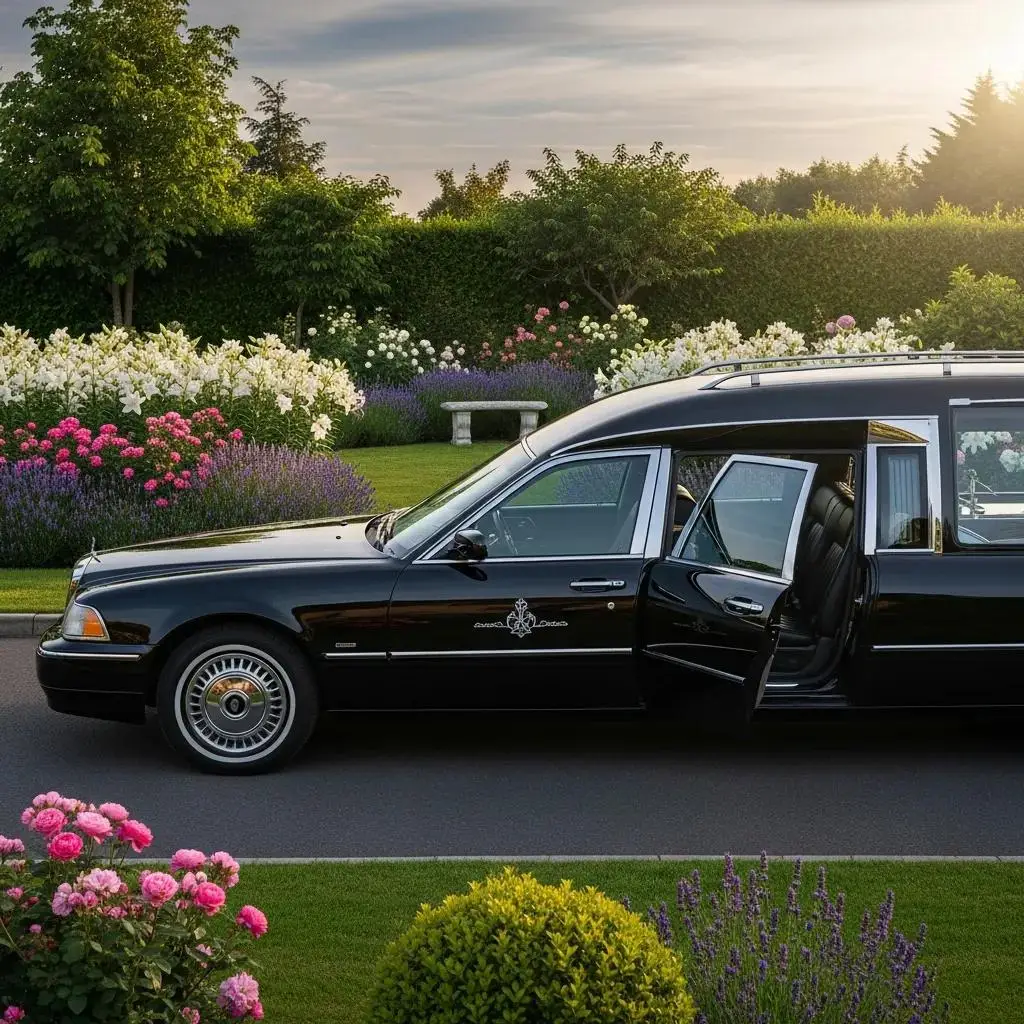
Top Factors to Consider When Choosing a Funeral Car Service
Key factors to consider when choosing a funeral car service
Selecting a funeral car service is an important choice that affects the family’s experience during a difficult time. This guide outlines the practical factors to weigh—vehicle types, level of professionalism, cost drivers, planning best practices, and personalization options—so you can make decisions that honor your loved one and keep logistics calm and clear. We also note emerging options, from eco-friendly vehicles to higher-end services, so you can match values with service choices.
Research confirms that funeral services combine material and human elements chosen to meet client expectations around cost and quality.
Funeral Service Value: Cost, Quality, and Family Choice
Funeral services are built from a mix of material and human resources selected to deliver the level of quality and cost the family requests. Providers design offerings to meet those choices in the marketplace.
Value chain analysis in the context of funeral service: A research note, G Paché, 2022
What types of funeral vehicles are available and which suit your needs?
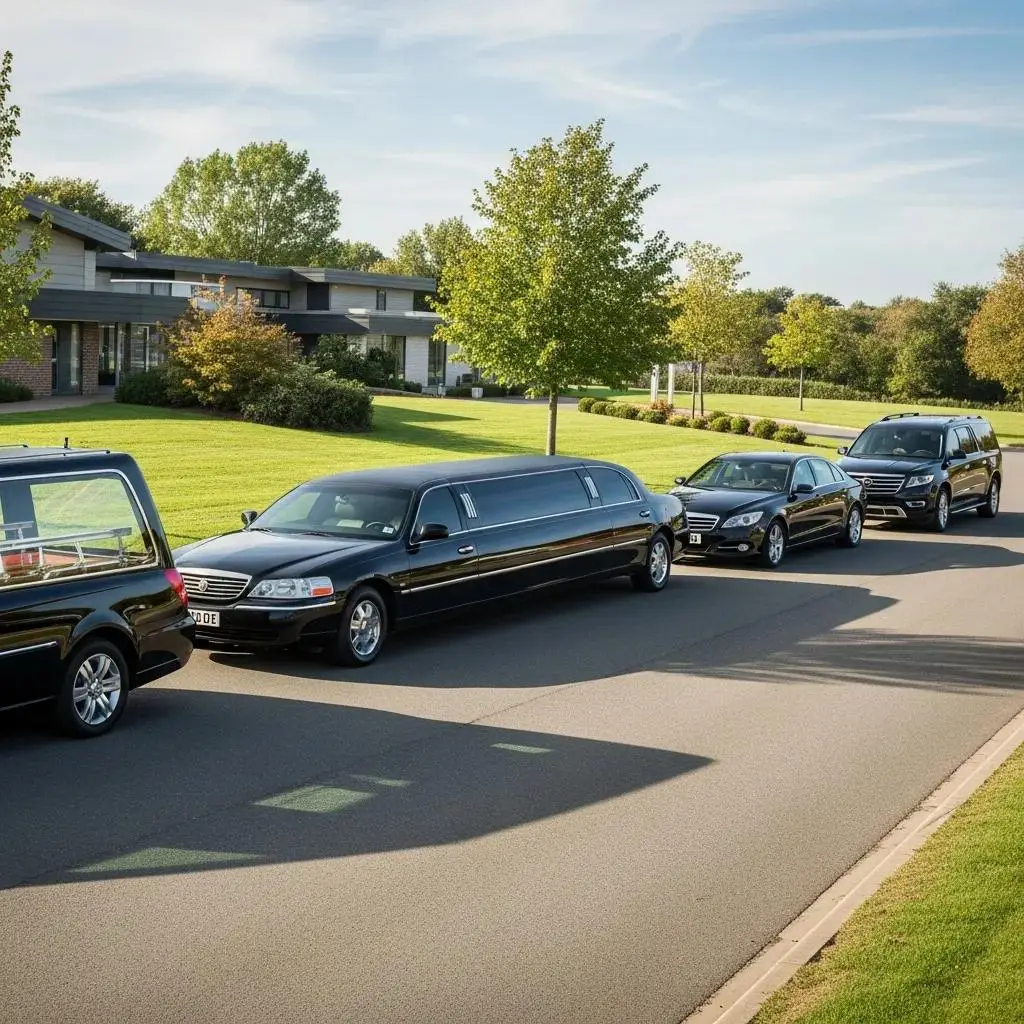
Understanding vehicle options helps you match capacity, comfort, and ceremony. Common choices include hearses for casket transport, limousines and sedans for family members, SUVs for extra space, and vans or mini-coaches for larger groups. Each type serves a different purpose—choose the one that fits passenger counts, luggage, and the tone you want to set.
When deciding, consider the whole journey: how guests will board and exit, where vehicles will stage at the venue, storage needs for flowers and personal items, and whether any guests require mobility assistance. Small differences—such as extra legroom, trunk space, or the ability to install a child seat or wheelchair restraint—can affect comfort and timing on the day.
How do sedans, SUVs, and limousines differ for funeral transportation?
Sedans are economical and well suited to small family groups. SUVs give extra room for passengers and belongings. Limousines deliver a more formal, comfortable experience with amenities like climate control and plush seating—good when a dignified, polished presentation matters.
Beyond basic capacity, evaluate interior layout and features that matter to your group. For example, a long ride may make climate control and comfortable seating a higher priority; a short local transfer may focus more on punctuality and simple access. Ask providers to describe the interior space and whether seats can be reconfigured for luggage or mobility aids.
What are the benefits of vans and mini coaches for group travel?
- Capacity management: Executive minibuses or Sprinter vans work well for groups of roughly 12–20; mini-coaches or coordinated vehicles are better for 20–50 guests to avoid delays and extra transfers.
- Accessibility and gear transport: These vehicles can accommodate mobility needs and safely carry items such as outfits or instruments, reducing the risk of extra trips.
- Cost efficiency: Picking the right-sized vehicle lowers per-person costs and simplifies coordination.
- Guest experience: Professional drivers handle timing and routing so guests arrive on schedule and with dignity.
When using vans or mini-coaches, confirm loading and unloading plans: where the vehicle will stop, how long it can remain staged, and whether there are restrictions at the venue or cemetery. Consider whether any participants need step-free access or assistance loading heavier items; reputable providers will outline how they manage boarding and secure belongings.
Why are professionalism and discretion essential in funeral chauffeur services?
Professionalism and discretion matter because chauffeurs set the tone for arrivals and departures. Trained drivers manage timing, coordinate procession logistics, and maintain respectful conduct—helping families focus on the service rather than on operational details. Discreet, reliable staff reduce stress and preserve the ceremony’s solemnity.
Professional presentation includes more than appearance. Ask providers about driver training, background checks, insurance coverage, and whether chauffeurs receive instruction in procession etiquette and sensitivity around bereavement. Clear expectations on behavior, timing, and communication make a measurable difference in the family’s experience.
What qualifications define a respectful and punctual funeral chauffeur?
Look for chauffeurs with strong customer-service training, route knowledge, and experience handling sensitive situations. Familiarity with procession etiquette and proven punctuality are critical—these traits ensure smooth transitions and a respectful atmosphere for family and guests.
Also inquire about practical skills: ability to use radio or phone communications discreetly, experience with route planning to avoid delays, and competence in helping guests with mobility needs. A confident chauffeur who communicates clearly with a funeral director or family coordinator will keep the day running to plan without drawing attention away from the service.
How do chauffeurs support procession etiquette and coordination?
Chauffeurs coordinate pickups and staging, follow agreed timings, and communicate with other drivers and organizers. Their local knowledge and ability to adapt reduce missed connections and keep the procession orderly and respectful.
On complex days, chauffeurs often act as on-the-ground coordinators, managing small timing adjustments, traffic contingencies, and quick route changes. Ask whether drivers will remain available for the full event timeline, how they signal readiness at staging areas, and what communication method they use to confirm arrival and departures.
How can you understand and compare funeral car service costs and packages?
Costs vary. When comparing providers, consider these primary drivers:
- Vehicle type and capacity: Base rates and per-seat economics differ—luxury vehicles often cost more but may deliver better value for certain needs.
- Distance and trip duration: Longer routes add mileage and driver-time charges.
- Seasonality and demand: Peak times and holidays can raise rates.
- Added amenities: Extras like onboard refreshments or Wi‑Fi add fees and extend service time.
Ask whether pricing is hourly, per-mile, or flat-rate and whether staging or waiting time is included. Comparing like-for-like quotes—same vehicle class, route, and included wait time—gives the clearest picture.
For clearer comparisons, request an itemized quote that lists base rates, estimated mileage, driver hours, staging or waiting fees, and charges for extras. Clarify deposit, cancellation, and rescheduling policies. If you expect last‑minute changes, confirm how the provider handles overtime or additional mileage so there are no surprises.
| Cost Driver | Description | Impact on Pricing |
|---|---|---|
| Vehicle Type | Different vehicles carry different base rates | Luxury options increase the base price |
| Distance | Longer trips add mileage charges | Raises the total cost |
| Seasonality | Demand-driven price changes at peak times | Higher rates during busy periods |
| Amenities | Extra features and services add to costs | Extends service time and fees |
Understanding these elements helps families select a service that fits both budget and expectations.
Also discuss payment timing and accepted methods. Some providers require a deposit at booking and final payment before service; others accept payment on the day. If gratuities are customary, ask whether they are included or expected separately. Clear communication about billing prevents stress at a sensitive time.
What are best practices for planning and coordinating funeral transportation?

Practical planning makes the day run smoother. Follow these steps:
- Communicate accessibility needs: Tell your transportation provider about any mobility requirements when booking so they can allocate the right vehicles and staff.
- Manage luggage efficiently: Share the total number of bags and special items up front. Use labeled bags and a staging area for loading to speed transitions.
- Coordinate multiple pickups: Appoint a point person, create a clear schedule with pickup times and locations, and share it with all attendees. Stagger pickups and use group messaging for updates.
- Plan ahead: Lock in details early to reduce last-minute decisions and ensure smooth execution.
Make a simple checklist for the provider and the day‑of coordinator: pickup addresses with precise door or gate instructions, phone numbers for drivers and the coordinator, expected number of passengers per vehicle, list of mobility or medical needs, and any special stops the procession should include. A short, clear plan reduces confusion and keeps the timeline predictable.
How does pre-planning reduce stress?
Pre-planning removes logistical uncertainty so families can focus on mourning and remembrance. Clear arrangements cut down on last-minute calls, missed pickups, and avoidable stress.
In practice, pre-planning includes confirming vehicle assignments, driver names, arrival windows, and staging locations. Send a final confirmation to all participants and the provider a few days before the event and have a simple paper or digital itinerary available on the day. These small steps reduce friction and let family members concentrate on the ceremony rather than travel details.
How is coordination handled for multiple locations and special needs?
Designate a coordinator to communicate schedules and special requirements to the provider. Share precise pickup times, locations, and any mobility needs so the provider can assign appropriate vehicles and personnel. Detailed schedules and real-time communication keep everyone informed and on time.
If multiple venues are involved, map the sequence of stops and identify realistic travel times between each. Discuss contingency plans—alternate routes in case of traffic, additional driver resources if a vehicle has mechanical issues, and a clear chain of communication for any last‑minute changes. Providers experienced with multi-stop events will outline these contingencies as part of the booking conversation.
How can personalization enhance the funeral transportation experience?
Personal touches make the journey meaningful. Thoughtful personalization helps honor the deceased and supports the family’s wishes.
What personalization options are available?
- Customized vehicle decor: Flowers or personal items can be added to vehicles to reflect the deceased’s personality.
- Specialized routes: Routes can include meaningful locations to add personal significance to the procession.
- Onboard amenities: Simple comforts—refreshments, blankets, or seating arrangements—can improve guests’ experience.
When personalizing, check with the provider and the venue about what is allowed. Some vehicles have restrictions on adhesive decorations or materials that could damage upholstery. If you plan floral displays or flags, confirm how items will be secured and removed so the vehicle remains clean and undamaged.
How does personalization help elderly or out-of-town guests?
Personalization addresses comfort and accessibility: choose vehicles with easy access, request extra assistance where needed, and provide clear directions and timing for guests traveling from afar. These measures reduce discomfort and logistical friction.
Consider assigning a dedicated vehicle or attendant for elderly guests or those with special needs. That attendant can manage boarding, luggage, and any seating adjustments to ensure the guest experiences a calm, dignified transfer. For out-of-town visitors, share parking, hotel, and pickup details in advance so their arrival and onward travel align with the event schedule.
What are the emerging trends in eco-friendly and luxury funeral transportation?
The industry is evolving toward both sustainability and elevated service options to meet families’ values and expectations.
How are electric and sustainable vehicles changing funeral services?
Electric hearses and other low-emission options are increasingly available where local markets support them. These choices lower environmental impact and align with families who prioritize sustainability, though availability varies by region.
Practically, choosing a low-emission vehicle may mean confirming availability for specific dates and ensuring the provider has charging plans for longer journeys. If you favor sustainability, ask about the company’s fleet mix and how they manage replacements and maintenance to reduce the environmental footprint of their operations.
What luxury features are families seeking?
- High-end vehicles: Limousines and luxury SUVs for a comfortable, polished presentation.
- Personalized amenities: Climate control, refreshments, and privacy features.
- Professional chauffeurs: Drivers trained to provide a dignified, attentive service.
Luxury services can include discrete tinted windows, refined interior finishes, and quieter rides. Families choosing higher-end options often value privacy, refined presentation, and additional attentional services such as on-call chauffeurs for the entire event timeline. Confirm precisely what is included so the presentation matches your expectations.
Balancing sustainability and luxury is increasingly common: providers may offer premium interiors in electric or hybrid vehicles to combine low emissions with a dignified aesthetic. If both attributes are important, ask providers how they pair sustainability features with upscale presentation.
Frequently asked questions
What factors should I consider when comparing different funeral car services?
Compare vehicle availability, pricing structure, included wait or staging time, and provider reputation. Ask for transparent quotes that outline mileage, hourly minimums, and extra fees. Check reviews and confirm experience with any special needs you have.
How can I prepare for unexpected changes in funeral transportation plans?
Discuss contingencies with the provider—alternate vehicles, backup drivers, and flexible timing. Name a point person to handle day‑of decisions and keep a contact list for quick communication.
What should I do if I have cultural or religious requirements for transportation?
Tell the provider about these requirements when booking. Many companies can accommodate rituals, specific routes, or vehicle choices; clear communication up front ensures respectful handling of traditions.
Are there special considerations for transporting children or elderly guests?
Prioritize comfort and safety: request vehicles with easy access, car seats if needed, and extra assistance for those with limited mobility. Let the provider know in advance so they can prepare staff and appropriate vehicles.
What are the benefits of using a local funeral car service?
Local providers know area routes, have community relationships that ease coordination, and often offer services tailored to local customs. Choosing local can simplify logistics and add a personal touch.
How can I ensure the funeral car service aligns with my family’s values?
Share your priorities—sustainability, formality, or personalization—during the booking conversation. Ask about eco-friendly options, vehicle types, and how drivers are trained to handle sensitive situations.
What should I do if I need to change arrangements at the last minute?
Contact the provider immediately with the new details. Reputable companies will work to accommodate changes; clear information about the new pickup times, locations, and passenger counts speeds the adjustment.
Do I need permits or special permissions for processions and staging?
Some locations require permits or have restrictions on where vehicles may stage or process. Ask your provider if they manage permit applications or if you need to coordinate with local authorities or the venue. Early communication prevents last‑minute scope changes on the day.
How should I handle parking and staging at venues with limited space?
Discuss staging plans with the venue and your transportation provider. They can recommend the best spots for arrivals and departures, advise on how long vehicles can remain in place, and propose alternate nearby staging locations if space is limited. A simple map or diagram shared in advance helps everyone coordinate efficiently.
Conclusion
Thoughtful choices about vehicles, professionalism, and planning make funeral transportation one less thing for families to manage. By matching vehicle type to group size, confirming qualified chauffeurs, and pre-planning logistics, you can create a respectful, reassuring experience. If you’d like help exploring options, our services are available to support your needs and values.